

In today’s digital age, safeguarding your online privacy has never been more crucial. With the increasing threats of cyber attacks, data breaches, and intrusive tracking, having a reliable solution to protect your internet activity is essential. One powerful tool at your disposal is a Virtual Private Network, or VPN. By encrypting your connection, a VPN not only enhances your security but also allows you to browse the internet with peace of mind, knowing that your personal information is well-protected.
If you're curious about trying a VPN, many providers offer a 24-hour free trial, allowing you to experience its benefits firsthand. This opportunity lets you test the features, connection speeds, and the level of encryption without any financial commitment. Whether you are new to VPNs or looking to switch providers, learning how to install your VPN and enjoy a free trial can be the first step toward securing your online presence and enjoying safe internet browsing.
What is a VPN?
A VPN, or Virtual Private Network, is a service that creates a secure and encrypted connection over a less secure network, such as the internet. By routing your internet traffic through a VPN server, your data is encrypted, making it difficult for hackers or anyone else to intercept it. This encryption ensures that your online activities remain private and protected from prying eyes.
VPNs are also commonly used to mask your IP address, which enhances your online anonymity. When you connect to a VPN, your real IP address is replaced with the IP address of the VPN server you are connected to. This helps you bypass geographical content restrictions and access websites and services that may be blocked in your region, allowing for a more open internet experience.
Additionally, many users turn to VPNs for improved security, especially when using public Wi-Fi networks. Public networks can be vulnerable to cyber threats, making it risky to conduct sensitive activities like online banking or shopping. A VPN encrypts your connection, ensuring that your personal information remains safe even in these potentially dangerous environments.
Benefits of Using a VPN
Using a VPN significantly enhances your online privacy by encrypting your internet connection. This encryption creates a secure tunnel for your data, making it much more difficult for hackers, government agencies, or even your Internet Service Provider to access your personal information. By installing your VPN, you can feel more at ease knowing that your browsing habits, online purchases, and personal communications are kept confidential.
Another benefit of using a VPN is the ability to bypass geo-restrictions. Many streaming services and websites impose content restrictions based on your location. By connecting to a VPN server in a different country, you can access a broader array of content that may not be available in your region. With a 24-hour free trial, you can explore these possibilities and experience unrestricted internet access without any commitment.
Moreover, a VPN improves your security while using public Wi-Fi networks, which are often vulnerable to cyber attacks. By installing your VPN when connecting to public networks, you add an essential layer of protection against potential threats. This is particularly important for online banking or shopping, where sensitive information is exchanged. With a 24-hour free trial, you can quickly assess how the VPN safeguards your data during everyday browsing activities.

Choosing the Right VPN Service
When selecting a VPN service, consider the encryption protocols they offer. Strong encryption is vital for ensuring your online privacy and security. Look for providers that use industry-standard protocols such as OpenVPN or WireGuard, as these are known for their robust security and performance. Ensure the service you choose encrypts the connection, safeguarding your data from potential threats while you browse.
Additionally, take into account the availability of a 24-hour free trial. This feature allows you to test the VPN’s performance and usability without committing to a subscription immediately. A trial period can help you verify whether the service meets your needs in terms of speed, stability, and overall functionality. Look for VPNs that offer this option, as it provides a risk-free way to experience encrypted protection firsthand.
Lastly, consider the reputation and customer support of the VPN provider. Read user reviews and check for any security incidents in the past. Good customer support can be incredibly helpful, especially if you encounter any issues during installation or while using the service. Choose a VPN that not only promises strong encryption but also has a reliable track record and responsive support to assist you whenever needed.
How VPN Encryption Works
When you connect to a VPN, it establishes a secure tunnel between your device and the VPN server. This tunnel uses encryption protocols that scramble your data, making it unreadable to anyone who might intercept it. Common encryption protocols include OpenVPN, L2TP/IPsec, and IKEv2/IPsec, each offering varying levels of security and speed. By encrypting your internet traffic, a VPN prevents third parties, including hackers and ISPs, from monitoring your online activities.
The encryption process involves converting plain text data into coded text through algorithms and keys. These algorithms utilize complex mathematical formulas that protect your data. Only the VPN server and your device possess the necessary keys to decrypt the information, ensuring that only you can access your online communications. This strong encryption keeps your personal information, such as passwords and financial details, secure when browsing the internet.
In addition to securing your data, VPN encryption protects your privacy by masking your IP address. This obscures your location and online identity, making it difficult for websites and advertisers to track your behavior. With a VPN, you can browse the internet more anonymously, reducing the risk of targeted advertisements and privacy invasions. By understanding how VPN encryption works, you can appreciate the importance of using a VPN for safer online experiences.
Activating Your Free Trial
To get started with your VPN's 24-hour free trial, visit the official website of the VPN provider you’ve chosen. Look for a button or link that says "Start Free Trial" or "Get Started." This is typically prominently displayed on the homepage. You'll need to create an account, which usually involves providing your email address and creating a password. Some providers may ask for billing information upfront, but they should not charge you until the trial period ends.
Once you've signed up, you will need to download the VPN application. Most VPN providers offer apps for various platforms, including Windows, macOS, Android, and iOS. Choose the correct version for your device and follow the installation instructions. After installation, launch the app and log in with the account details you created during sign-up.
After logging in, look for an option to activate your free trial if it doesn't activate automatically. Some applications may provide a tutorial or onboarding process to help you understand the features. Once activated, you can begin exploring the benefits of VPN encryption, secure browsing, and enhanced privacy for the next 24 hours. Enjoy testing the service and make sure to assess the connection speeds and other features before your trial expires.
Installing the VPN Software
To begin the process of enhancing your online privacy, you will first need to install the VPN software. Start by selecting a reputable VPN provider that offers a 24-hour free trial. Visit their official website and navigate to the download section. Choose the version that is compatible with your operating system, whether it's Windows, macOS, Android, or iOS. Click on the download button and wait for the installation file to save to your device.
Once the download is complete, locate the installation file in your downloads folder. For Windows users, double-click the file to start the installation wizard. Install your VPN may need to grant permission for the software to make changes to your device. Follow the on-screen instructions, which typically include accepting the terms of service and choosing the installation path. For macOS, drag the VPN application into your Applications folder to install it. Mobile users can easily install the app from their respective app stores.
After the installation is complete, launch the VPN application. You will be prompted to create an account if you haven't already. To utilize the 24-hour free trial, enter your email address and set a secure password. Once registered, log in and follow any additional setup instructions, which may include selecting your preferred server location. With the software installed and your account created, you are now ready to experience the benefits of a secured and encrypted connection.
Configuring Your VPN Settings
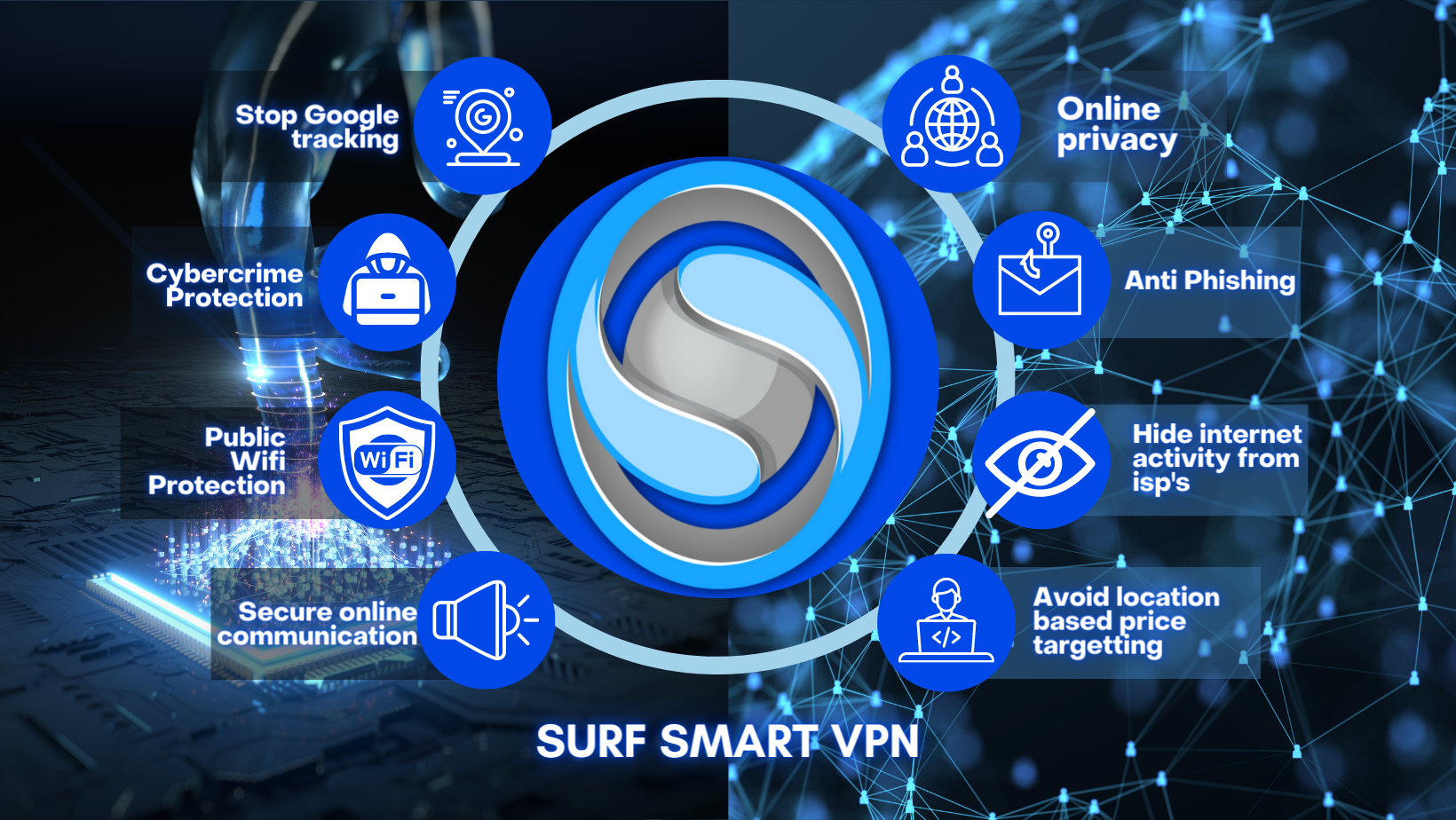
Once you have installed your VPN, it is essential to configure your settings to maximize both security and performance. Most VPNs offer a user-friendly interface that allows you to adjust various options. Start by selecting the preferred encryption protocol. Common options include OpenVPN, IKEv2, and L2TP, with OpenVPN generally being recommended for its balance between speed and security. Ensure that your VPN is set to automatically connect to the most secure server available, providing you with encrypted protection right from the start.
Next, take a moment to review the privacy settings offered by your VPN. This may include options like a kill switch, which automatically disconnects your internet if the VPN connection drops, preventing any data exposure. Additionally, some VPNs feature split tunneling, allowing you to choose which applications use the VPN and which access the internet directly. Configuring these options can greatly enhance your online privacy while enabling you to maintain necessary connections.
Lastly, don’t forget to test your settings to ensure everything is functioning correctly. You may want to connect to different servers to see which offers the best speed and stability for your needs. Many VPNs also provide features to test your connection speed and check for DNS leaks. By taking the time to configure your VPN settings properly, you can enjoy secure browsing through your 24-hour free trial, ensuring that your online privacy is effectively protected.
Testing Your VPN Connection
Once you have installed your VPN, it is important to test the connection to ensure it is working correctly. Start by launching your VPN application and connecting to a server of your choice. After establishing the connection, visit a website that can show your IP address. This will confirm whether your real IP address has been masked by the VPN. If the displayed IP address is different from your actual one, your VPN is successfully encrypting your connection.
Next, check the connection speed offered by your VPN. You can use online speed test tools to measure both your download and upload speeds before and after connecting to the VPN. This comparison will help you understand how the VPN affects your internet performance. A quality VPN should maintain a reasonable speed while ensuring your security and privacy.
Finally, test the VPN's ability to access geo-restricted content. Try logging into streaming services or websites that are usually not available in your location. If you succeed, it indicates that your VPN is not only encrypting your connection but also effectively bypassing geographical restrictions. This experience is essential in confirming the reliability and features of your VPN during the 24-hour free trial.
Best Practices for Online Privacy
To ensure your online privacy, always start by using a reputable VPN service. A reliable VPN encrypts the connection, safeguarding your data from potential snoopers. Look for VPNs that offer strong encryption protocols and have a clear privacy policy. Reading reviews and checking third-party audit results can also help you choose a trustworthy provider.
Additionally, be mindful of your online behavior. Avoid sharing sensitive personal information on websites that do not use HTTPS. Regularly update your passwords and enable two-factor authentication whenever possible. This adds an extra layer of security and makes it more difficult for unauthorized users to access your accounts.
Finally, take advantage of tools such as browser extensions and security software that complement your VPN usage. These tools can help block trackers and ads, enhancing your online experience. By combining a good VPN with sound online practices, you will significantly boost your privacy and security on the internet.
Conclusion
In conclusion, installing a VPN with a 24-hour free trial is a smart move for anyone looking to enhance their online privacy. This short time frame allows users to test the features and performance of the VPN, ensuring that it meets their needs without any financial commitment. With the increasing importance of digital security, taking advantage of a free trial can provide peace of mind and help individuals understand the value of having a secure internet connection.
During the trial, users can experience firsthand how a VPN encrypts the connection, allowing for safer browsing and protection against potential cyber threats. This encryption not only secures sensitive information but also helps in maintaining anonymity online. Understanding these benefits is crucial, as it encourages a proactive approach to personal cybersecurity.
Ultimately, the process of installing a VPN is straightforward, and the option of a free trial eliminates any hesitation in exploring its capabilities. By taking this step, users can enjoy safe and secure internet access, making it an essential tool for navigating today’s digital landscape. Embrace the opportunity to protect your online activities and enjoy the freedom that comes with a secure connection.